

Hear from Our Customers
You can’t see mold spores. You might smell something musty in the basement or notice your kids coughing more at home, but you’re not sure if it’s mold or just allergies.
That uncertainty keeps you up at night. Professional mold testing gives you actual answers—not guesses.
We use spore trap air sampling and lab analysis to measure what’s in your air. You get a report that shows exactly what types of mold are present and at what levels. If there’s a problem, you’ll know where it is and how serious it is. If your air is clean, you’ll have documentation proving it.
This matters when you’re buying or selling a home in Richland. It matters when someone in your family can’t stop coughing. And it matters when you need to file an insurance claim or hold a landlord accountable.
Testing gives you leverage. It gives you proof. And it gives you the information you need to make the right call about what happens next.
We’ve been helping homeowners in Richland, PA and throughout Bucks County deal with mold for years. We’re not a national franchise. We’re local, and we understand how Pennsylvania’s humid climate creates constant moisture problems.
You’re dealing with basements that flood every spring. Crawl spaces that never fully dry out. Bathrooms with poor ventilation. These aren’t just inconveniences—they’re mold magnets.
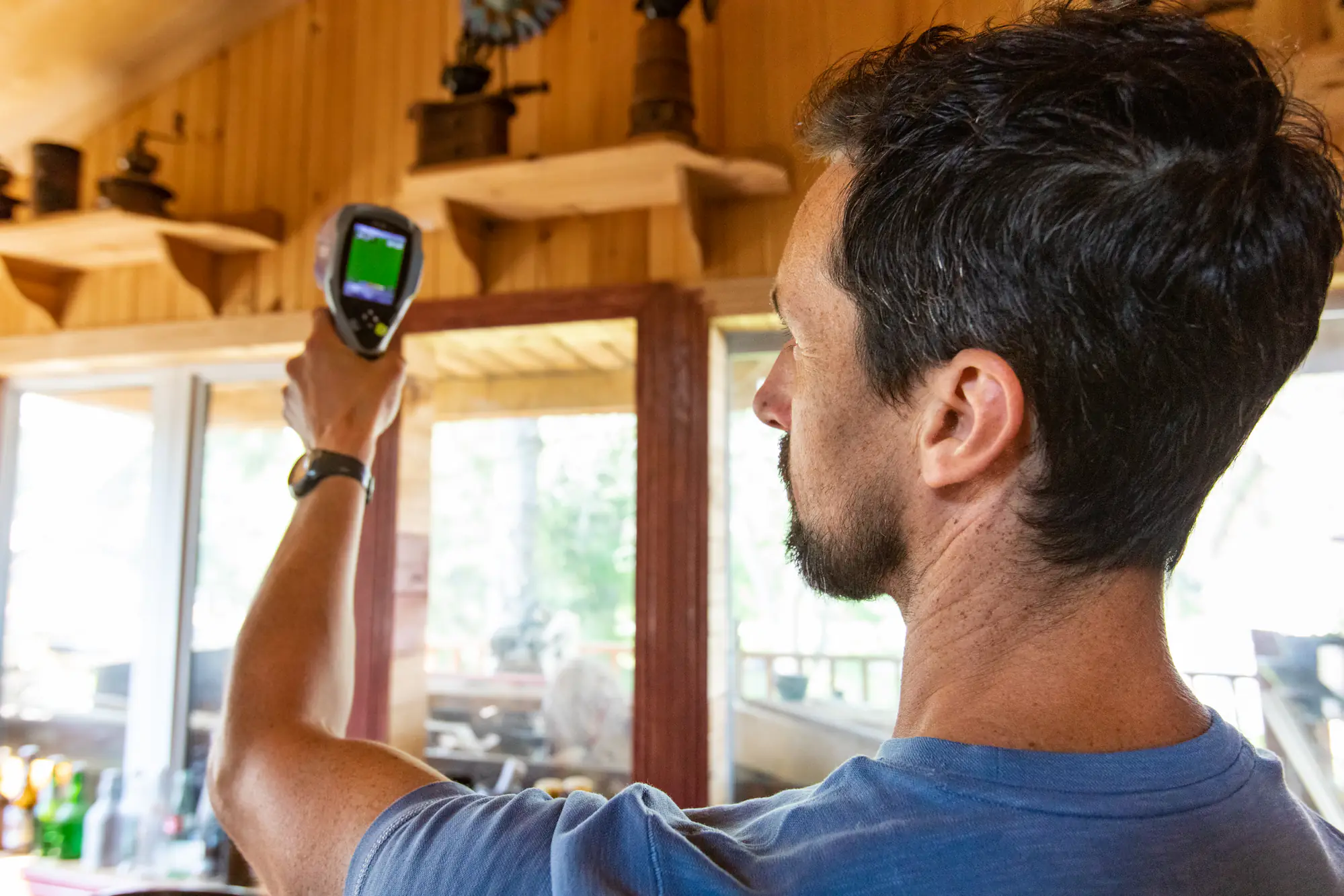
We don’t just show up with a test kit. We bring moisture meters, infrared cameras, and calibrated air sampling equipment. Our inspectors are certified, and every sample gets analyzed by a microbiologist in a real lab. You get results you can use in court, with insurance companies, or at the closing table.
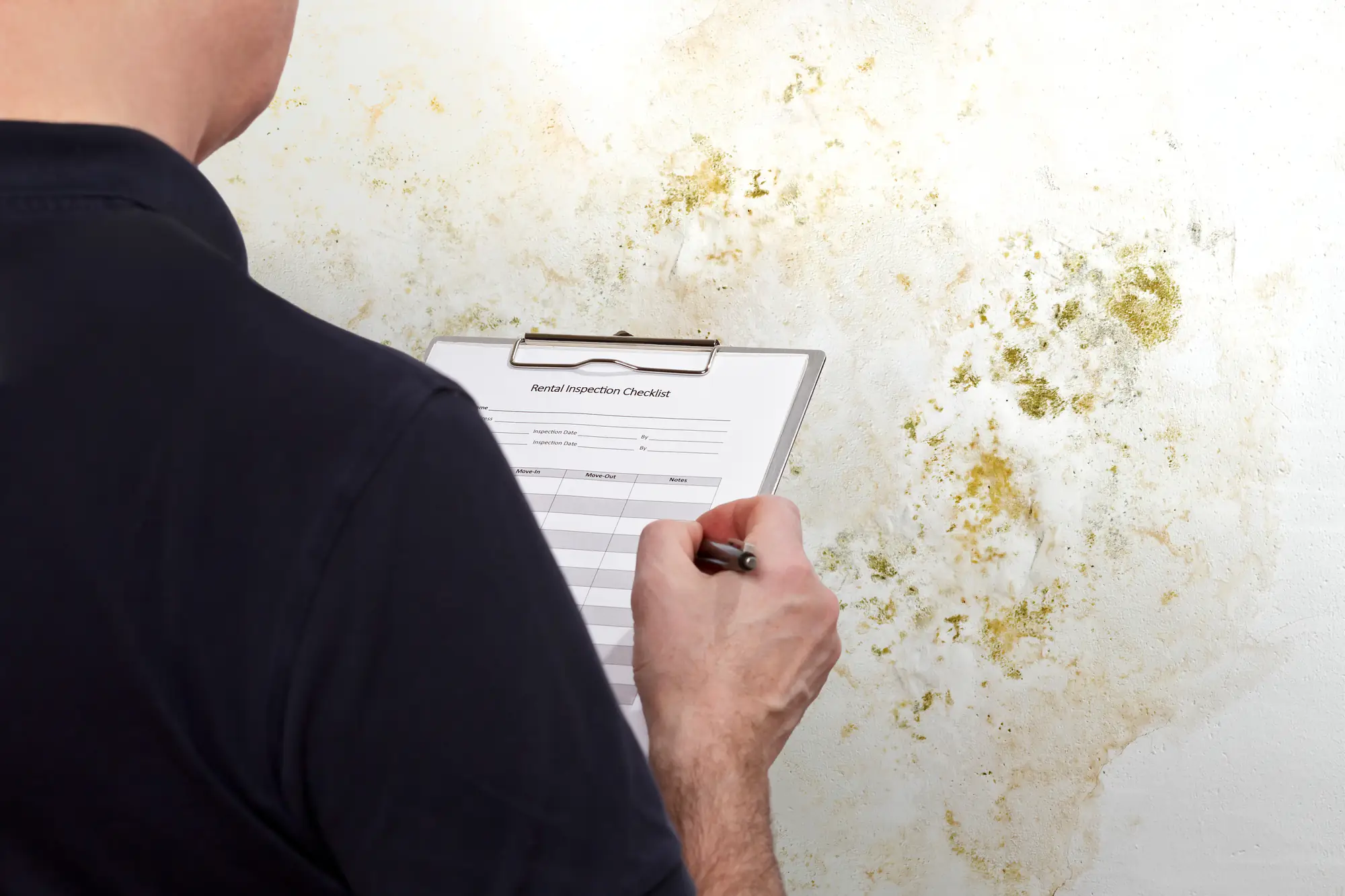
First, we walk through your property and look for visible mold and moisture issues. We check the obvious spots—bathrooms, basements, kitchens—but we also check places most people never think to look. Behind drywall. Under flooring. Inside HVAC systems.
Then we take air samples using spore traps. These capture mold spores from your indoor air. We also take an outdoor sample as a control, because mold exists everywhere. The question isn’t whether there’s mold—it’s whether there’s more mold inside than there should be.
We send those samples to a certified lab. A microbiologist examines them under a microscope, identifies the types of mold present, and counts the spores. You get a detailed report that breaks down exactly what we found.
If we find elevated mold levels, we’ll show you where the moisture is coming from. Because mold doesn’t grow without water. Fixing the mold without fixing the moisture source means the problem comes back in six weeks. We find the source so you can fix it right the first time.
Ready to get started?
You get a full visual inspection of your property. That means we’re checking every area where moisture problems typically show up—not just the rooms where you’ve noticed issues.
You get air sampling with lab analysis. We use the same spore trap method that’s recognized by insurance companies and real estate attorneys. The lab report includes spore counts, mold species identification, and a comparison to outdoor levels.
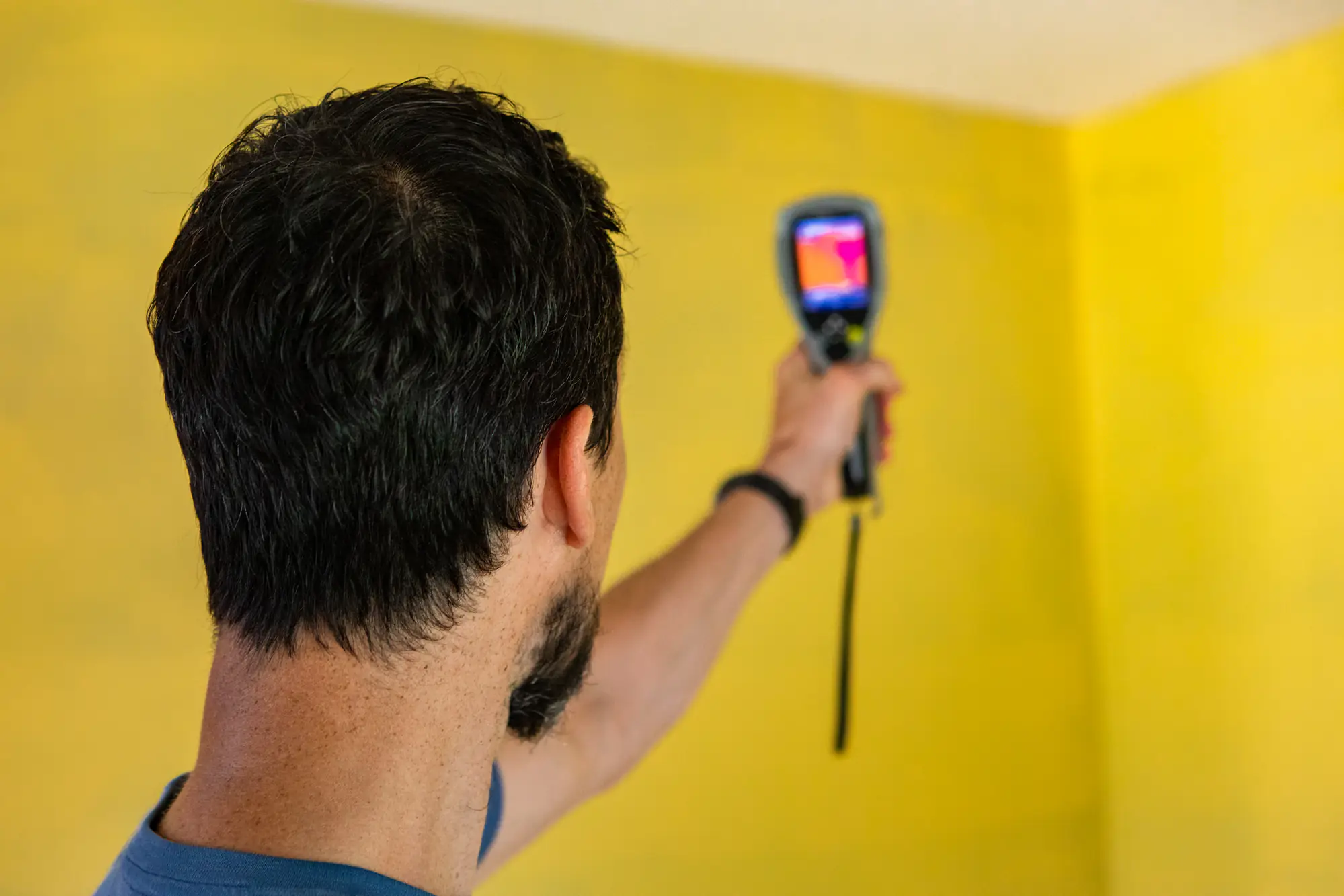
You get moisture mapping. We use meters and thermal imaging to find hidden water intrusion. Most mold problems start with a leak you didn’t know existed. We find those leaks.
In Richland and throughout Bucks County, we see the same patterns. Basement moisture from poor grading. Roof leaks that drip into attics for months before anyone notices. Bathroom exhaust fans that vent into the attic instead of outside. These are the problems that create mold, and we document all of it.
You also get a written report with photos, lab results, and recommendations. If you need that report for a real estate transaction or an insurance claim, it’s detailed enough to hold up under scrutiny.
Most residential mold inspections in Richland run between $300 and $1,000 depending on your home’s size and how many samples we need to take. A small condo with one problem area costs less than a 3,000 square foot house where we’re testing multiple rooms.
The price includes the inspection, air sampling, lab analysis, and a written report. Some companies charge extra for the lab work or the report—we don’t. You get everything in one price.
If you’re buying a home and the seller agrees to pay for testing, that’s common in Bucks County real estate deals. If you’re dealing with a mold problem that’s already visible, some homeowners skip testing and go straight to remediation. But if you’re not sure whether you have mold, or you need documentation for legal or insurance reasons, testing is worth the cost. It’s a lot cheaper than treating a problem that doesn’t exist or missing a problem that’s about to get worse.
You can, but those kits don’t give you reliable information. Consumer Reports tested several home mold test kits and rated every single one as “Not Recommended.” The problem is that they don’t control for variables, they don’t compare indoor and outdoor levels, and they can’t tell you if the mold you found is actually a problem.
Mold exists everywhere. If you set out a petri dish in any house in Richland, PA, something will grow on it. That doesn’t mean you have a mold problem. It just means mold spores are in the air—which they always are.
Professional testing uses calibrated equipment and lab analysis to measure spore counts. We’re not just looking for the presence of mold. We’re measuring whether the levels inside your home are higher than they should be compared to outdoor air. That’s the difference between useful information and noise.
If you need results for a real estate transaction, an insurance claim, or a legal dispute, a home test kit won’t cut it. You need a report from a certified inspector and a licensed lab.
The most common types we find in Bucks County are Cladosporium, Penicillium, Aspergillus, and Stachybotrys (black mold). Cladosporium grows on damp surfaces like wood and drywall. Penicillium shows up in water-damaged areas and often has a blue or green appearance. Aspergillus likes warm, humid environments and grows fast.
Stachybotrys is the one people worry about most. It’s dark green or black, and it grows on materials with high cellulose content—like drywall and wood—after prolonged water exposure. It’s not more dangerous than other molds for most people, but it’s a sign of serious moisture problems.
Pennsylvania’s climate makes mold growth almost inevitable if you have any kind of water intrusion. We get humid summers and wet springs. Basements stay damp. Crawl spaces trap moisture. If you’ve had a roof leak, a plumbing issue, or flooding, mold is probably growing somewhere.
The lab report we provide identifies which species are present in your home and at what concentration. Some molds are more concerning than others, but any elevated mold levels mean you have a moisture problem that needs fixing.
The on-site inspection usually takes one to two hours depending on the size of your home and how many areas we’re testing. We’re not rushing through it. We’re checking every space where mold typically grows and using moisture meters and thermal imaging to find hidden problems.
After we collect the samples, the lab analysis takes three to five business days. You’ll get a full report with spore counts, species identification, and photos from the inspection.
If you’re in a time crunch—like you’re in the middle of a real estate transaction—we can sometimes get results faster. But rushing the lab work doesn’t help anyone. You want accurate results, and that takes time.
Once you have the report, you’ll know exactly what you’re dealing with. If the results show elevated mold levels, we’ll walk you through what needs to happen next. If the air quality is fine, you’ll have documentation proving it. Either way, you’re not guessing anymore.
If you can see mold growing on your walls or ceiling, you probably don’t need testing to confirm it’s there. You already know you have a problem. In that case, it makes more sense to move straight to remediation.
But testing still helps even when mold is visible—especially if you’re dealing with insurance or you need to know how far the problem has spread. Visible mold is often just part of the issue. There might be hidden growth behind walls or under flooring that you can’t see.
Testing also tells you what types of mold are present and whether the air quality in other parts of your home is affected. Just because you see mold in the basement doesn’t mean it’s only in the basement. Spores travel through your HVAC system.
And if you’re planning to remediate the mold yourself or hire someone to do it, you’ll want post-remediation testing afterward. That’s the only way to confirm the job was done right and the mold is actually gone. A lot of homeowners in Richland deal with mold that comes back within weeks because the source of moisture wasn’t fixed. Testing before and after helps you avoid that.
Yes. Finding mold is only half the job. The other half is figuring out where the moisture is coming from, because mold doesn’t grow without water.
During the inspection, we use moisture meters and infrared cameras to track down the source. Sometimes it’s obvious—a leaking pipe, a roof that needs repair, or a basement that floods every spring. Other times it’s hidden. A slow leak inside a wall. Condensation in your attic. Poor ventilation in your bathroom.
In Richland and the rest of Bucks County, we see a lot of moisture problems caused by grading issues around the foundation, old roofs, and HVAC systems that aren’t dehumidifying properly. Pennsylvania’s climate doesn’t help. You’re dealing with humidity and rain for a big chunk of the year.
If we find mold, we’ll show you exactly where the water is coming from and what needs to be fixed. Removing mold without stopping the moisture just means you’ll be dealing with mold again in a few weeks. We make sure you understand the root cause so you can fix it right the first time.
Other Services we provide in Richland